

Understanding the General Rule
In today’s evolving work landscape, the concept of tax relief for home working expenses has garnered increasing attention. Employers grappling with the complexities of remote work arrangements often find themselves puzzled by the rules surrounding expenses and in particular tax relief for home working. However, understanding the nuances of tax regulations can lead to significant savings and smoother operations for businesses and their remote workforce.
The Conundrum with Broadband and Phone Bills
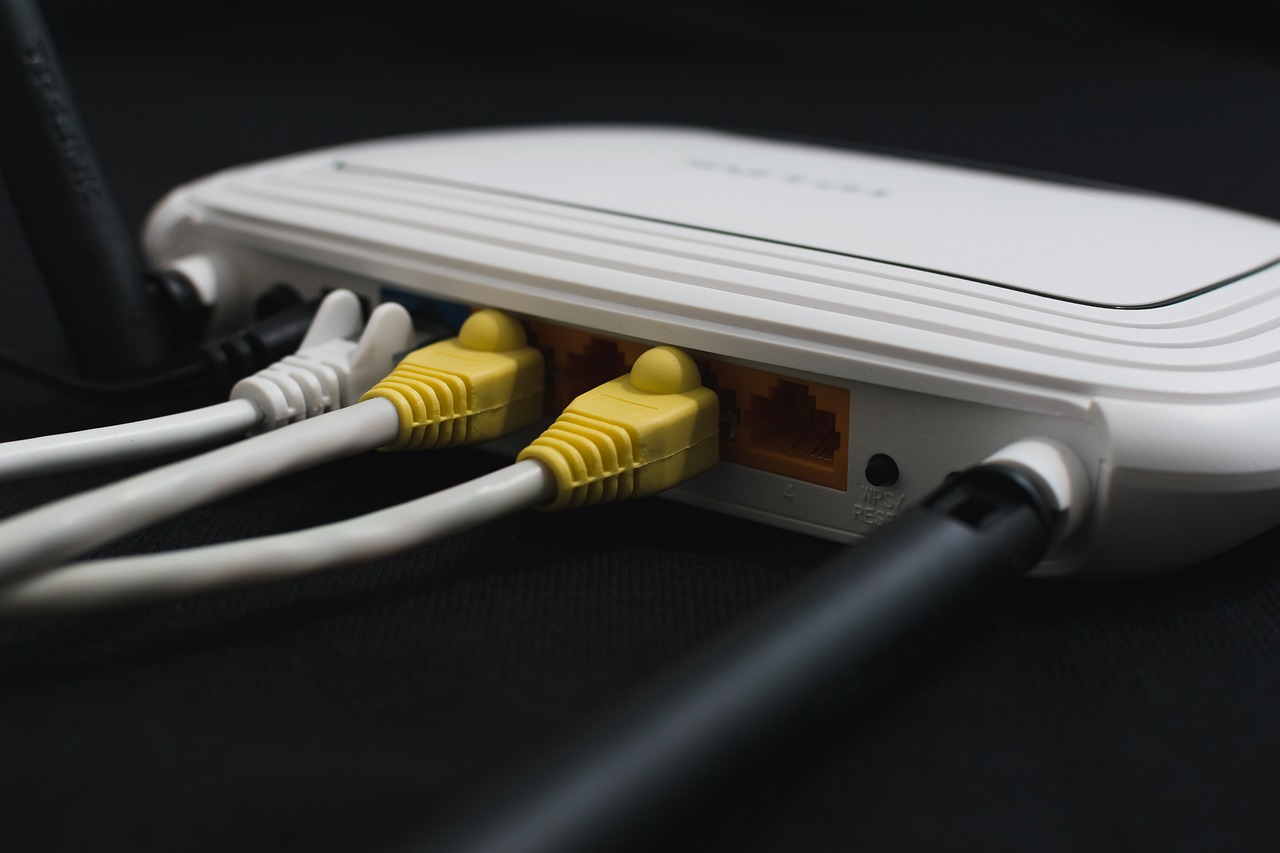
At the heart of the matter lies the need to decipher the eligibility criteria for tax relief amidst the blur of personal and professional expenses. While the general rule allows employers to reimburse employees for job-related costs without imposing PAYE tax or NI, the situation becomes murkier when it comes to broadband and phone expenses. HMRC stipulates that despite being seemingly business-related, these expenses may still attract taxation if significant private use is involved.
The Rule: Wholly, Exclusively and Necessarily Incurred
The predicament stems from the stringent criterion of expenses being “wholly, exclusively, and necessarily incurred” for the job. When the lines between professional necessity and personal convenience blur, navigating the tax landscape becomes a daunting task. It’s a conundrum that has been met with criticism from various quarters, including taxpayers, accountants, and even HMRC itself. For a more detailed explanation regarding this rule see read GOV.UK’s information here.
A Silver Lining: The Special Exemption

Fortunately, there is a special exemption tailored to address these challenges. Under this provision, employers who contractually pay for employees’ home broadband and phone bills can avail themselves of tax relief, provided that private usage remains minimal. This exemption not only alleviates the burden on employers but also empowers them to better support their remote workforce by facilitating access to essential tools and services.
Key Points for Exemption
The key to unlocking this tax relief lies in understanding and adhering to the conditions laid out by HMRC. There is no financial cap on the exemption, emphasizing its potential significance for businesses of all sizes. However, employers must demonstrate a genuine need for the goods and services provided, ensuring that they are contractually liable for the associated expenses.
Conclusion

In practical terms, this exemption extends beyond broadband and phone bills to encompass a range of goods and services essential for remote work, including desks, chairs, computers, and more. By embracing this opportunity, employers can not only mitigate tax liabilities but also create an environment for their remote workforce to thrive.
Navigating the complexities of tax relief for home working expenses, particularly broadband and phone bills, requires a nuanced understanding of the regulations and exemptions in place. By leveraging the exemption provided by HMRC, employers can alleviate the tax burden associated with remote work arrangements while providing their workforce with essential resources.
Ready to explore tax relief options for your remote workforce? Contact us today for personalised assistance and guidance.